AI Content Skills: AI Social Media Posts That Stand Alone
Part 3 of the AI content skills series: five fixes for AI social media posts that lean on each other, shown before and after, and a Claude skill that makes every post stand alone.


AI content skills only count if a stranger can read one post and get something from it, with no other post to lean on. Our own AI batches failed that test five different ways, so we fixed each one and wrote down the fix.
Every one of the five mistakes below is a real review note we gave our AI on AI social media posts: what it wrote, the correction, the learning and the corrected line. None of them are invented for this article. At the end is a Claude skill, standalone-post, that checks every post as if it were the only one anyone will ever see, before it goes anywhere near a schedule.
What this series is
We run our own posts and articles through AI, review every draft and keep the corrections that repeat. Each article in the AI content skills series takes five of those corrections and ends in a Claude skill you can install: a saved set of rules that applies the fix before you read a draft, so the same mistake does not come back next week. The full approach for saving fixes as reusable rules is in 166 Ready-Made Skills That Turn Any AI Into a Specialist.
The 5 mistakes
1. Assumes the reader saw the previous post
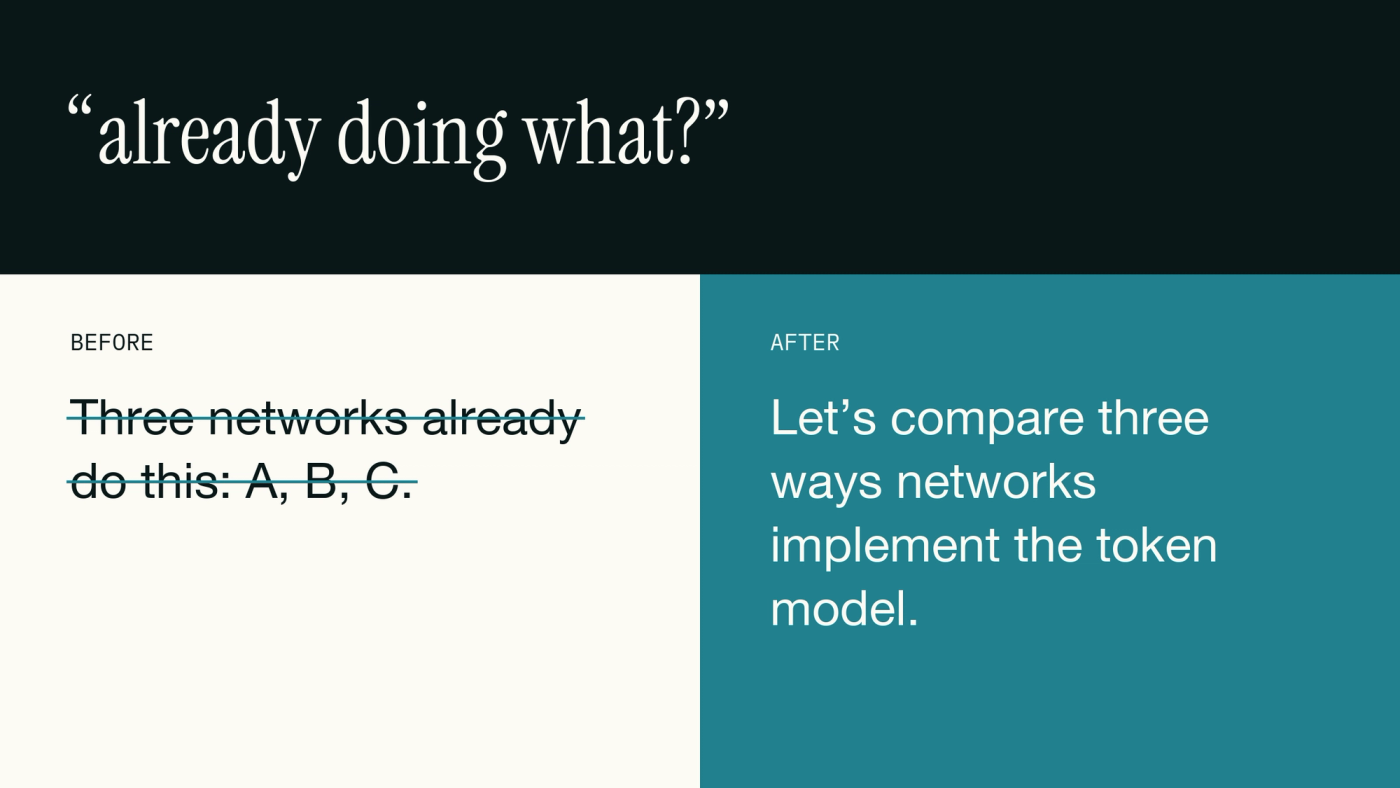
A line that points outward with “this” or “already” assumes the reader has context they never saw. Name the subject inside the post itself, so the sentence still makes sense with every other post deleted.
2. Five posts, one idea
One question per post. Before drafting a batch, list a different question for each post: what it is, the alternatives, who uses it, when it is better or worse, and the best practices.
3. Thin posts that should be one carousel
Thin posts that cover the same comparison split one idea into several weak ones. Merge them into a single artefact worth saving, the way our own comparison carousel does.
4. Demo with no payoff
Every demo needs a payoff. It has to end on an artefact the viewer would actually want, not just show a mechanism working. Cover every other post in the batch and ask what the viewer keeps from this one; if the answer is nothing, the demo is not finished yet.
5. Ideas with no takeaway
Write the value line before the post: “value: [what the reader gets]”. If you cannot finish that line, the post does not get written.
The Claude skill
The skill is called standalone-post. It runs on a full batch, checking each post with the others hidden, so nothing leans on context only we have. It lives in the same install path as every skill in this series.
mkdir -p ~/.claude/skills/standalone-post
# paste the SKILL.md below into ~/.claude/skills/standalone-post/SKILL.md
# then in Claude Code: /standalone-post  (or just ask it to draft; the description triggers it)
---
name: standalone-post
description: Use when drafting or reviewing social posts, especially a batch or a series (LinkedIn, X, Instagram, Threads, Facebook). Checks that every post makes sense alone, answers its own question and ends with a takeaway. Triggers on post, batch, series, carousel, thread, content calendar.
---
# standalone-post
For each post: write the value line, then the post, then run the self-check with every other post hidden.
## Rules
1. Name the subject inside the post. "Three networks already do this" fails; "Let's compare three ways networks implement the model" passes. No "this", "it" or "the above" that points outside the post.
2. One question per post. Before drafting a batch, list one distinct question per post (what is it / what are the alternatives / who uses it / when is it better or worse / what are the best practices). If two posts answer the same question, merge or cut one.
3. Merge thin posts. Several "X vs us" or "feature of the day" posts become one carousel or one comparison.
4. Pass the "so what" test. A demo ends on the artefact the viewer would keep or reuse, and the copy says why they wanted it.
5. Value line first. Write "value: <the learning for the viewer>" above every post. If you cannot write it, drop the post.
## Self-check (per post, others hidden)
- Would a stranger understand it with no other post?
- Which single question does it answer? Does any other post in the batch answer the same one?
- What does the reader keep? (Write it in one line.)
- Does it end on the payoff, not on the mechanism?
- Hook rules from hook-first still apply to line one.
Run it on the last batch of posts you published.
Where this leaves you
Five rules turn a batch of AI posts into five posts that each stand alone: name the subject, one question per post, merge thin posts, pass the so-what test, write the value line first. The Claude skill runs all five checks before you post, not after. Voholabs Studio schedules the result across every channel, once each post passes on its own.
Frequently asked questions
- How do AI content skills stop social posts sounding repetitive?Give each post in a batch its own question to answer before you draft: what it is, the alternatives, who uses it, when it is better or worse, and the best practices. If two posts answer the same question, one of them gets cut.
- Should a comparison be one carousel or several posts?One carousel. Several thin posts about the same comparison split one idea into weaker pieces that each fail the standalone test on their own.
- What is the “so what” test for a post?Cover every other post and ask what the reader keeps from this one alone. If nothing, either add the takeaway or cut the post.
Sources
- Agent Skills overview· Anthropic
- Creating helpful, reliable, people-first content· Google Search Central